Does my business need an occupational health & safety policy?
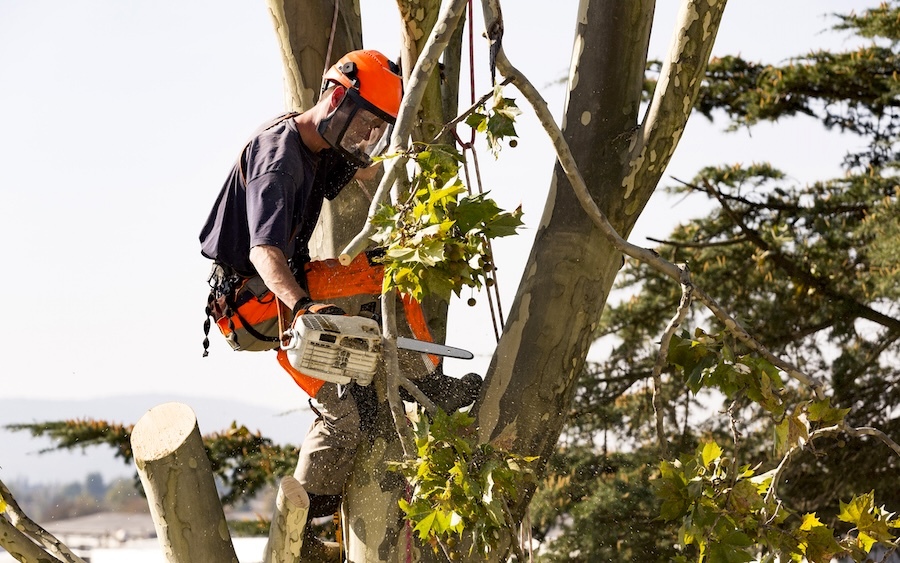

Canada has a robust occupational health and safety system that requires every business to prevent accidents and injuries, and promote safe and healthy workplaces. Workers also have the right to refuse unsafe work.
Despite the clear legal frameworks across provinces and territories, many Canadian workers are injured or killed at work each year. In 2023, the Association of Workers' Compensation Boards of Canada, reported there were 1,057 workplace fatalities - the highest number in recent years - and over 274,000 accepted lost-time injury claims.
While it may seem obvious for a business in a high-risk industry - such as mining, forestry, construction, or heavy manufacturing - to detail and circulate their health and safety procedures, even small businesses and sole traders need to take health and safety seriously.
A written occupational health and safety (OHS) policy is an effective way to ensure your business takes a systematic approach to identifying and managing all the risks to the health and safety of not only your staff, but to customers and other people you deal with in daily activities.
This post takes a close look at work health and safety policies, why every company should have one, and what it should cover.
Why do I need an OHS policy?
All workers have the right to a healthy and safe working environment and to refuse work they consider unsafe.
Occupational health and safety laws vary by province, with each province or territory having different rights and responsibilities for employers, supervisors, and workers (federally legislated workplaces also have their own OHS regulations).
Most provinces and territories require businesses to:
- Prepare a written occupational health and safety policy or program.
- Develop and maintain a program to implement the policy/program.
- Regularly review the policy/program, e.g. at least annually.
- Post a copy of the OHS policy somewhere workers will be most likely to see it, or in a readily accessible electronic format.
On top of meeting your legal obligations, having a documented OHS policy is the best way to demonstrate a proactive approach to health and safety in your workplace.
Every business and work environment is different, so thinking systematically will mean your health and safety efforts are tailored to the specific needs of your company in the province or territory you operate in.
Having an OHS policy will also help reduce absenteeism, increase employee productivity, and give your workers, management, and customers confidence and peace of mind.
Benefits of having an OHS policy
- Helps identify all risks to health and safety and create ways to eliminate or reduce them.
- Helps you comply with federal, provincial or territorial legal obligations.
- Demonstrates leadership commitment to health and safety.
- Builds OHS capability, engagement, and participation across the business.
- Can protect your business from liability in case of incidents.
- Useful for insurance and client contracts.
What to include in an OHS policy
When developing a work health & safety policy, start by consulting and understanding the OHS laws of your province or territory (there are also federal OHS regulations for federally-regulated workplaces).
The OHS policy doesn’t need to be long but it should describe, in clear and simple terms, what is involved in keeping your workplace safe and healthy, how every member of staff contributes, and the procedures necessary to achieve it.
The aim is to build an OHS culture that’s open and collaborative, so all your team members are involved and understand what they need to do.
Occupational health & safety policy template
While the specific content of your OHS policy will differ from other workplaces, they will all follow a similar format. We recommend using this template as a starting point when developing your OHS policy:
- Purpose - introduction to the policy and why you have it (your aims).
- Scope - who the policy applies to.
- Overview and key concepts - explain important health and safety concepts in plain language.
- Details of the policy:
- The roles and responsibilities of the owner, employer, supervisors/managers, workers, and contractors.
- Obligations of the employer, supervisors, workers, and other stakeholders.
- Procedures for managing risks (including risks to psychological health and safety) - hazard identification and prevention, incident reporting and investigation, emergency planning.
- Worker engagement and participation procedures, e.g. if you have a Joint Health and Safety Committee (or similar body) or worker health and safety representatives.
- Procedures for reporting incidents or emergencies.
- Review and update process.
- Appendices - include any information sheets, instruction documents (e.g. operating instructions) or forms, and where workers can get more resources (e.g. related reading).
Creating a Joint Occupational Health and Safety Committee
Across Canada, most OHS laws require businesses to establish a Joint Occupational Health and Safety (JOHS) Committee or a worker health and safety representative once they reach certain workforce thresholds:
- Typically 20 or more workers for a committee.
- A lower threshold (often 5–19 workers) for a representative.
While the exact rules vary by province, the core expectations are consistent:
- Committees must include both worker and employer representatives.
- They must meet regularly, keep minutes, participate in inspections, and receive appropriate training.
These structures aren’t just bureaucratic requirements. They play a critical role in identifying hazards early, strengthening worker participation, and ensuring your business meets its legal obligations under provincial, territorial, or federal OHS legislation.
Even small businesses benefit: having a designated representative or committee helps create a safer workplace, supports clear communication, and demonstrates a proactive, compliant approach to managing health and safety across your operations.
Creating Safe Work Procedures (SWPs)
Along with a health and safety representative or JOHS Committee, most provinces require employers to provide written procedures for tasks that involve identified hazards, e.g. machinery use, chemical handling, working at heights, changing light bulbs, or any safety-sensitive activity.
Safe Work Procedures (sometimes called Safe Work Practices or Safe/Standard Operating Procedures - SOPs) are step-by-step instructions that outline how to perform a task safely and consistently.
They translate your health and safety policy into real-world action, instructing workers exactly how to do a job safely, what equipment they need, and what precautions to take before, during, and after the task.
Why Safe Work Procedures matter
Well-developed SWPs help your business:
- Reduce the likelihood of injuries by ensuring everyone performs tasks the same safe way.
- Meet provincial/territorial OHS obligations, including providing information, instruction, and supervision necessary to protect workers (required across all Canadian jurisdictions).
- Support due diligence by documenting that safe methods are taught, used, and reviewed.
- Increase efficiency and confidence by giving employees clear expectations and guidance.
What to include in a Safe Work Procedure
While the specifics will depend on your industry, a strong SWP should cover:
- The purpose of the task and the risks involved.
- Required training or certifications, such as fall protection, confined space, or equipment operation.
- PPE requirements, e.g. gloves, eye protection, steel-toe boots.
- Step-by-step instructions for performing the task safely, written in plain language.
- Hazard controls (engineering, administrative, or PPE-based).
- Emergency steps, such as what to do in case of equipment failure, spills, near-misses, or injuries.
- Pre-use inspections for equipment or tools, where applicable.
- Lockout/tag-out steps if the task involves machinery or energy sources.
Keeping SWPs current
Safe Work Procedures shouldn’t be static documents. Employers must ensure they’re updated when you:
- Purchase new equipment.
- Identify new hazards.
- Change work processes.
- An incident or near-miss highlights a gap in safety controls.
Across most Canadian jurisdictions, you must also ensure you instruct workers in these procedures and that supervisors monitor compliance.
Regular refreshers - especially during employee onboarding, job changes, or annual safety reviews - help reinforce safe practices and meet the employer’s duty to provide information and supervision necessary to protect workers.
Other ways to improve workplace health & safety
The key to a thriving workplace is making sure health, safety, and wellbeing is factored into every decision, how your work systems are designed, and how success is defined.
That means going beyond just compliance to learning continuously and closing any gaps between how work is planned and how it actually happens “on the shop floor”.
Here are 4 key points for businesses that want to improve their safety and operational performance:
- Have a budget for OHS - this budget should be used to provide training to the JOHS committee members, provide training to all staff, remedy any unsafe situations, purchase required personal protective equipment.
- Keep safe work procedures up to date. As you purchase new equipment, ensure a safe work procedure is developed and rolled out as you introduce the equipment.
- Engage your employees in OHS consistently and keep people at the core of work design and delivery - design processes and environments to prevent unsafe shortcuts, and train workers and managers to recognise real-world hazards.
- Integrate safety into daily operations - align procurement and management systems with safety objectives and include safety outcomes in managers’ performance criteria.
How MyHR can help
If you need help crafting robust company policies, MyHR knows what to do. Our team of HR experts can ensure your OHS policy is tailored to your unique requirements and that your employees are a key part of your OHS programme.
Our powerful, unified HR platform makes it easy to ensure all employees have read (and signed) your employment documentation, and to issue updated policies to your entire team. With Notes, you can accurately record OHS incidents and set reminders to track important dates like first aid training events or the expiry of working at heights unit standards.