Does my business need a work health & safety policy?
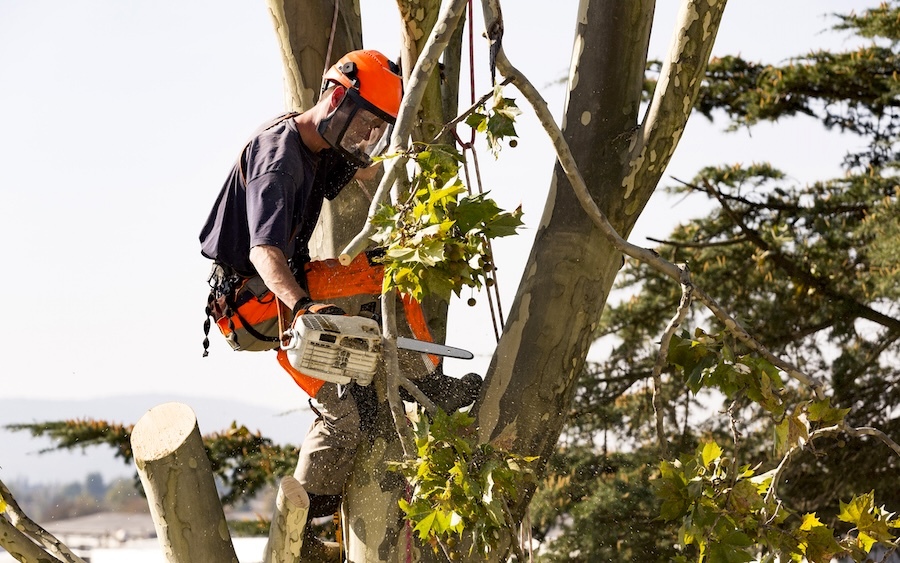

Australia has a robust work health and safety (WHS) system that requires every business to monitor and record incidents, and proactively identify and manage workplace risks.
Despite the clear legal framework across each state and territory, many Australian workers are injured or killed at work each year. Safe Work Australia’s research shows that:
- Over the past 10 years:
- More than 1,880 workers have been killed by traumatic workplace injuries.
- Over 1,165,100 workers have made a serious workers’ compensation claim involving more than one week of lost working time.
- Work-related injuries and illnesses cost the Australian economy $28.6 billion each year.
- Vehicle incidents account for the largest proportion of worker fatalities, followed by falls from a height.
- 80% of all serious compensation claims involve body-stressing, falls, slips and trips, being hit by moving objects, or mental stress.
While it may seem obvious for a business in a high-risk industry - such as mining, forestry, construction, or heavy manufacturing - to detail and circulate their health and safety procedures, even small businesses and sole traders need to take health and safety seriously.
A written WHS policy is an effective way to ensure your organisation takes a systematic approach to identifying and managing all the risks to the health and safety of not only your staff, but to customers and other people you deal with in daily activities.
This post takes a close look at work health and safety policies, why every business should have one, and what it should cover.
Why do I need a WHS policy?
All workers have the right to a healthy and safe working environment. Each state or territory has its own WHS regulations that employers must comply with, while model WHS laws provide a national framework that most states and territories have adopted in their own legislation.
Under the model WHS laws, all businesses have a primary duty of care to:
- Ensure the health and safety of workers (and others affected by the work you do) ‘so far as is reasonably practicable’.
- Provide and maintain a safe working environment.
That means identifying, assessing, and eliminating or minimising risks to both:
- Physical health, e.g. injuries and illnesses.
- Psychological health, e.g. stress, harassment, bullying, poor physical environment.
Every business (officially called a “Person Conducting a Business or Undertaking” or PCBU) must also provide workers with training, information and instruction to ensure they are safe from injury and risks to health, and to consult with workers about WHS matters (and take their views into account).
While you aren’t legally required to have a "written work health and safety policy", you are required to demonstrate a proactive approach to health and safety — and having a documented policy is the best way to do that.
Every business and workplace is different, so thinking systematically will mean your health and safety efforts are tailored to the specific needs of your company in the state or territory you operate in.
Aside from keeping your workplace safe and ensuring you meet your legal responsibilities, having a WHS policy will increase employee productivity, reduce absenteeism, and give your workers, management, and customers confidence and peace of mind.
Benefits of having a WHS policy
- Helps identify all risks to health and safety and create ways to eliminate or reduce them.
- Helps you comply with state or territory legal obligations and Safe Work Australia expectations.
- Demonstrates leadership commitment to health and safety.
- Can protect your business from liability in case of incidents.
- Useful for insurance and client contracts.
What to include in a WHS policy
When developing a work health & safety policy, start by consulting and understanding your local WHS laws, as the requirements can vary slightly by state and territory.
Your WHS policy doesn’t need to be long but it should describe, in clear and simple terms, what is involved in keeping your workplace safe and healthy, how every member of staff contributes, and the procedures necessary to achieve it.
Ensure you have a framework that identifies and addresses all types of safety hazards - including psychosocial risks - not just physical ones. Under the model WHS laws, businesses must manage the risk of psychological hazards in the workplace, as they would any other risk.
WHS is most effective when it’s built into the company culture, and is open and collaborative, so all your team members are involved and understand what they need to do.
Work health & safety policy template
While the specific content of your WHS policy will differ from other workplaces, they will all follow a similar format. We recommend using this template as a starting point when developing your WHS policy:
- Purpose - introduction to the policy and why you have it (your aims).
- Scope - who the policy applies to.
- Overview and key concepts - explain important health and safety concepts in plain language.
- Details of the policy:
- The roles and responsibilities of the PCBU, officers/managers, and workers.
- Obligations of the PCBU, managers, workers, and other stakeholders.
- Procedures for managing risks - hazard identification (physical and psychological), incident reporting, emergency planning etc.
- Worker engagement and participation procedures, e.g. if you have WHS representatives and/or a committee.
- Procedures for reporting incidents or emergencies.
- Review and update process.
- Appendices - include any information sheets, instruction documents (e.g. operating instructions) or forms, and where workers can get more resources (e.g. related reading).
Other ways to improve workplace health & safety
The key to a thriving workplace is making sure health, safety, and wellbeing is factored into every decision, how your work systems are designed, and how success is defined.
That means going beyond just compliance to learning continuously and closing any gaps between how work is planned and how it actually happens “on the shop floor”.
Here are 4 key points for businesses that want to improve their safety and operational performance:
- Secure and maintain funding for WHS - identify all safety-critical risks, have a clear budget, and collaborate with others to reduce costs.
- Track and value all benefits of WHS - track staff turnover, retention, and training costs alongside safety performance, and factor reputational risks into investment decisions.
- Keep people at the core of work design and delivery - design processes and environments to prevent unsafe shortcuts, and train workers and managers to recognise real-world hazards.
- Integrate safety into daily operations - align procurement and management systems with safety objectives and include safety outcomes in managers’ performance criteria.
How MyHR can help
If you need help crafting a strong work health & safety policy, MyHR can help.
We partner with leading workplace safety services provider, Eighteen 33, to provide WHS services to businesses across Greater Sydney, the Hunter, and Newcastle.
Whether you need WHS documentation, workers’ compensation expertise, system development and implementation or hands-on safety guidance, get in touch today.